
I asked Paul Taylor what happens when we get such massive amounts of water and green in the Outback.
What waterbirds head for places like Lake Eyre, and how on earth do they know that this arid area is awash with water and greenery?
What bird is that? with Paul Taylor
South Australia has received some widespread rain recently, not only in agricultural areas but also inland parts of the state. Remarkably, these pastoral areas have had quite good rainfall in the past couple of years, while further south has been a lot drier than average.
Bush birds of the inland respond quickly to rainfall by breeding, whatever the time of year. If favourable conditions continue to prevail, they keep breeding.
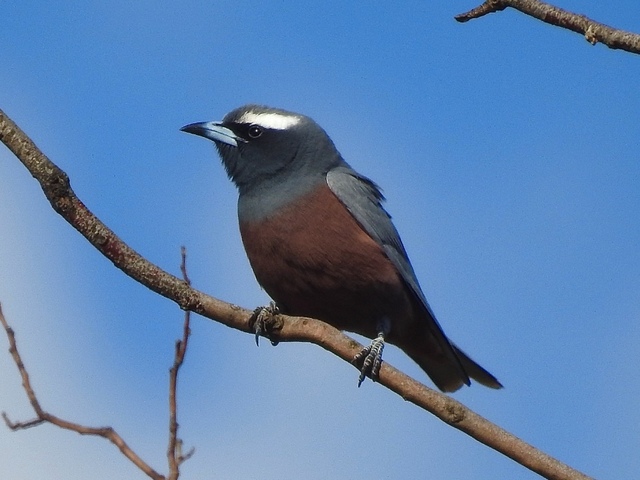
Some of these inland birds fly south in spring, depending on conditions. These include budgies, cockatiels, woodswallows, trillers and chats. As inland rainfall has been good in the last few years, many have not ventured south.
Woodswallows, in particular, normally regular spring visitors in large flocks in the lower north, have been largely absent in the past 3 or 4 years. Even the usually common brown songlark has been low in numbers.
Water birds are also positively affected by inland rain. Ephemeral lakes occur after rainfall, but easily the most significant water feature currently in outback SA is Kati Thanda-Lake Eyre, and the inflowing rivers and channels.
This is a boon for water birds, particularly pelicans, ducks, swans and cormorants. Thousands of pelicans are nesting there now.
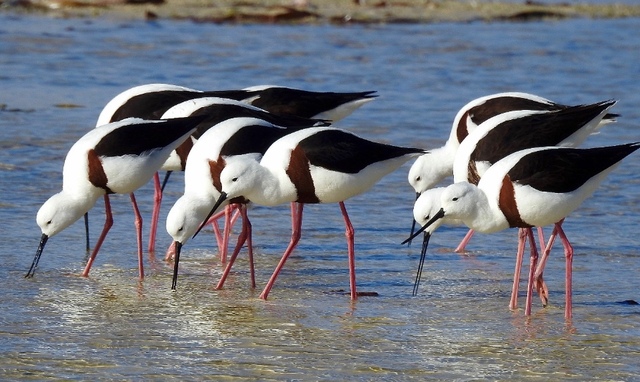
Another bird of particular interest is the banded stilt, an elegant wader that nests on inland salt lakes that have filled with water.
This means that breeding is infrequent and irregular, but there are recent reports of them at KT-LE, so nesting is likely. This will be a special event.
So how do banded stilts (and pelicans) know that inland lakes have water, and leave coastal areas to fly hundreds of kilometres? This is one of the great bird mysteries of our time.
This coming spring could be interesting for the variety in our local birds. If the forecast El Niño eventuates with drier weather, some birds from inland SA may move south.
However, predicting what birds will do is harder than predicting the weather!
What can be said is that in spring there is usually an unusual bird or numbers of birds that turn up. It would be good to see flocks of woodswallows again on the northern Adelaide Plains.