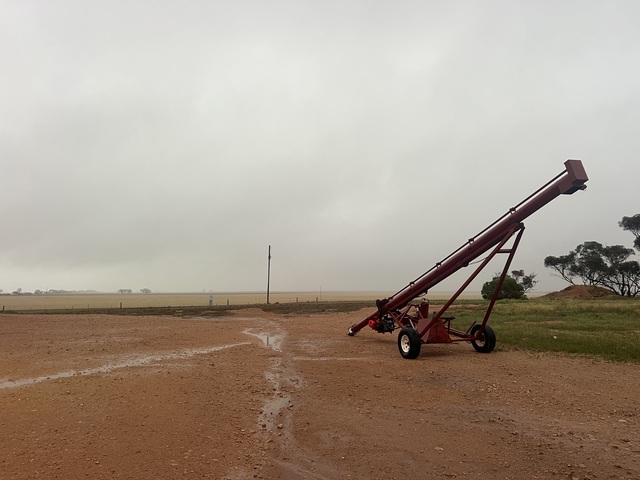
The frustrations of farming continued at the end of last week when growers were hit with more rain delays. Widespread falls were recorded across the Mid and Upper North, bringing harvest to yet another halt.
It has been a challenge for the month of November – with rain falling on 16 days out of 30. So far quality has not been affected with yields across the districts being average to below average.
Barley and wheat yields have been varied. Some barley has managed four tonnes to the hectare whilst other crops have managed two to 2.5 per ha.
Wheat has been disappointing, with yields from 1.5 to three tonnes. Canola yields have been varied but some have recorded more than two tonnes per ha.
Once the grain dries out, earlier districts will start to wind up harvest. As far as the gold watch for the first to finish, it is still a few days off.
Where rain fell last Friday (mm):
Kybunga – 18
Clare – 15
Auburn – 20
Halbury – 13
Pinery – 11
Wild Horse Plains – 10
Snowtown – 16
Jamestown – 22
Hamley Bridge – 6
Roseworthy – 7
Balaklava – 13
Saddleworth – 23
Gladstone – 20
Mintaro – 15
Owen – 8
Black Rock – 11
Booleroo Centre – 16
Mice on the move
Mouse numbers are up in the paddocks this year. Farmers are encouraged to closely monitor numbers.
At this stage PIRSA does not expect an explosion in plague proportions. All this rain will mean there is a fair bit of germination in paddocks, and wet summer conditions can increase mice activity further.
You may need to bait come seeding.
Harvest samples for Balaklava Show
Do not forget to keep uncleaned five kilogram samples of canola, wheat, barley, peas and lentils. There is a $150 cash prize for the champion wheat and canola samples in the grain and fodder section at the Balaklava Show in September.
Keep them in a bucket with a lid or a sealed plastic bag clearly marked so the old man does not accidentally feed them to the chooks.
Summer weeds
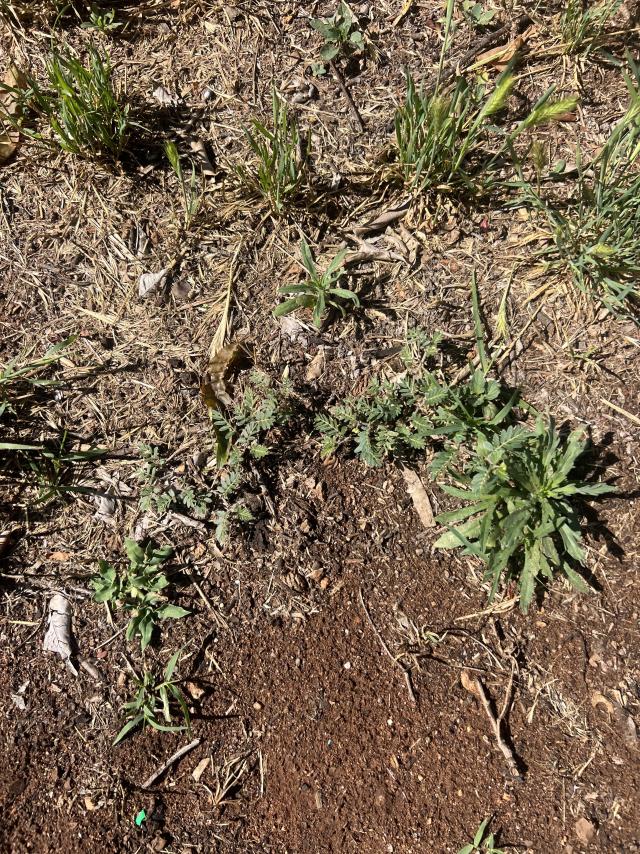
Another job for growers this year will be controlling summer weeds. This is vital.
It stops seeds setting (thereby eliminating seeding issues) and is the proven method of storing subsoil moisture from summer rain events. Late rains have resulted in significant weed seed germination.
For the most effective control, start your spray program early by targeting smaller weeds; rotate modes of action to slow up herbicide resistance; and use the correct adjuvant (wetter) because warmer weather makes it harder for plants to take up the chemical.
Paraquat and diquat regulatory decision delayed to mid-2026
The decision has been pushed back again as an updated review of a recent study was released by the U.S. Environmental Protection Agency, which the APVMA will consider as part of its assessment.
Farmers across Australia are hoping that the responsible use of this vital herbicide will be able to continue moving forward as it’s an important tool in the battle against herbicide resistance.
My Christmas wish
I wish I could just drop my body off at the gym and have them call me when it is ready to be picked up.