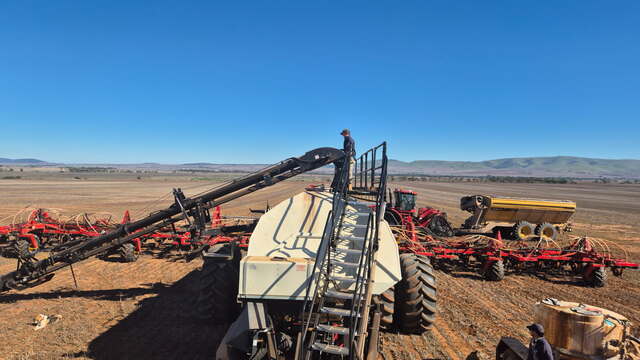
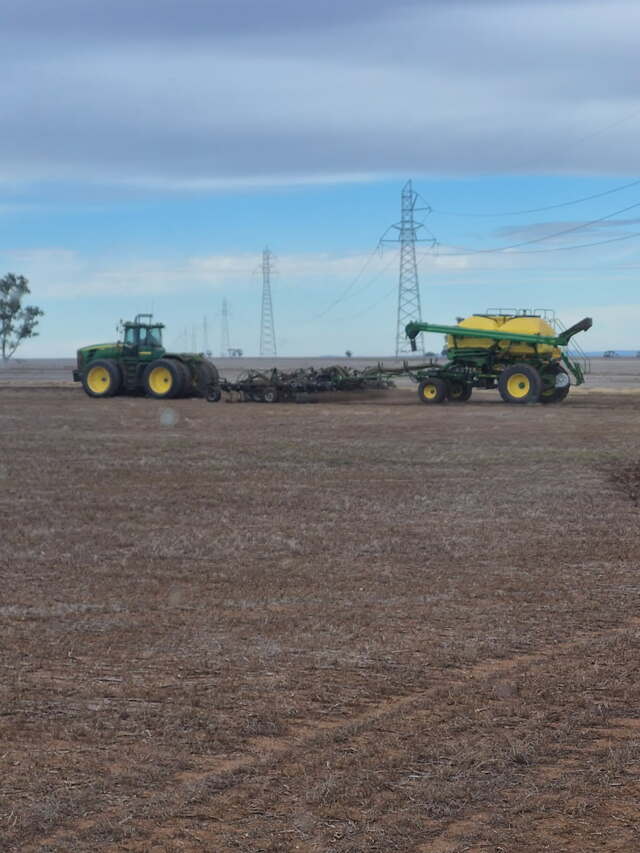
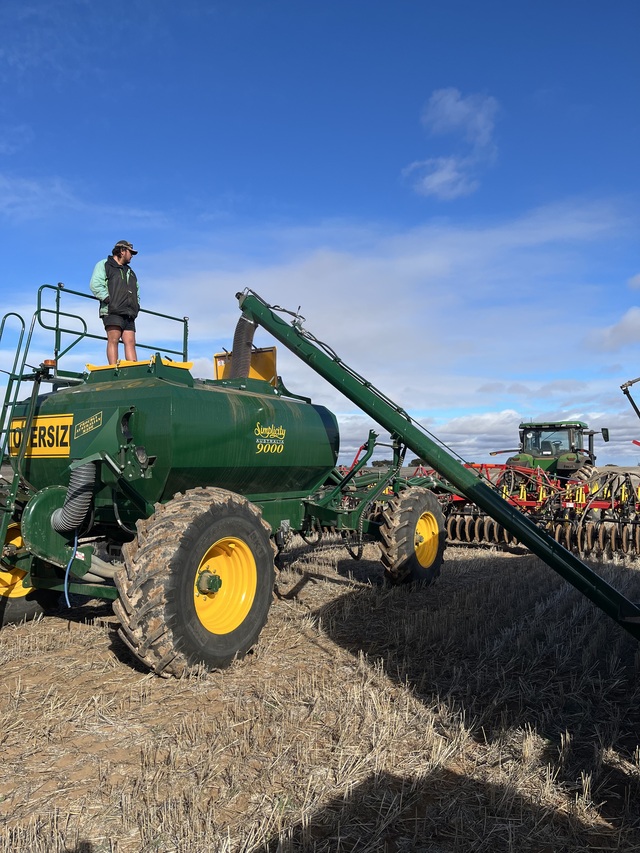
Seeding has wrapped up for most farmers across the district. With recent rains across the Mid North, it has been a perfect start.
The first half of the program was a dry one, but most growers got the opportunity to sow into a wet profile as their seeding programs progressed.
This is the first time for several years that we have sown into damp soil, rather than dry, so the seeding process has been much more enjoyable.
Early sown crops are coming along nicely. Expect to see a tinge of green across the district over the next couple of weeks.
According to Grain Producers SA’s (GPSA) recent seeding and seasonal outlook survey, 73 per cent of farmers have cut back on fertiliser use this season due to its high cost.
A massive 93 per cent of survey responders have said input costs and low grain prices have impacted on their confidence in producing a
profitable crop this season.
“Fuel, fertiliser, finance and freight costs have all increased sharply, while grain prices have softened considerably compared to previous years,” GPSA Chief Executive Officer Brad Perry said.
Green Peach Aphid numbers exploding
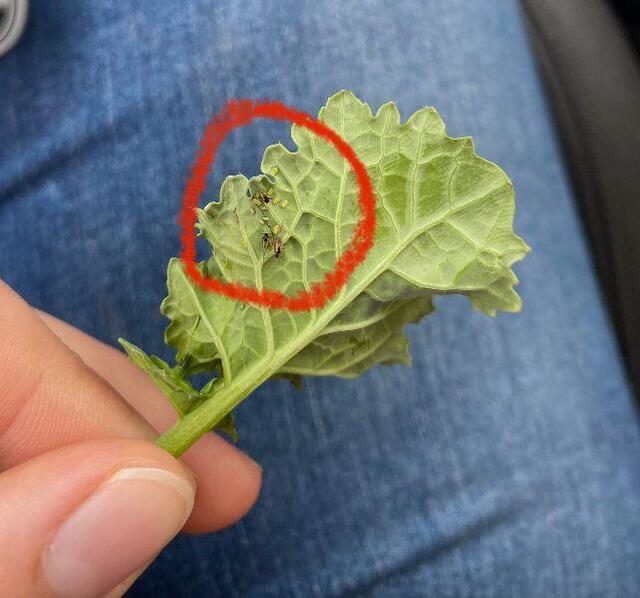
If your canola is up and away, it is a very good idea to check the underside of the youngest leaves for green peach aphids.
Significant numbers have been found in a quite a few crops. Feeding damage is a concern, but the main issue is these guys can infect canola plants with Turnip Yellow Virus, formerly known as Western Yellow Beet Virus.
The aphids happily move from plant to plant spreading the virus willy-nilly and are quite difficult to control. You need to secure a registered chemical to deal with them.
The aphid and the virus are generally more common in horticulture, so the chemicals used for their control originate in that industry.
The virus was last detected as a major issue in 2014 and, just like a cold virus, these insects have developed a resistance to chemicals which were used back then.
If you find green peach aphids on your canola, talk to your agronomist.
Springs are flowing
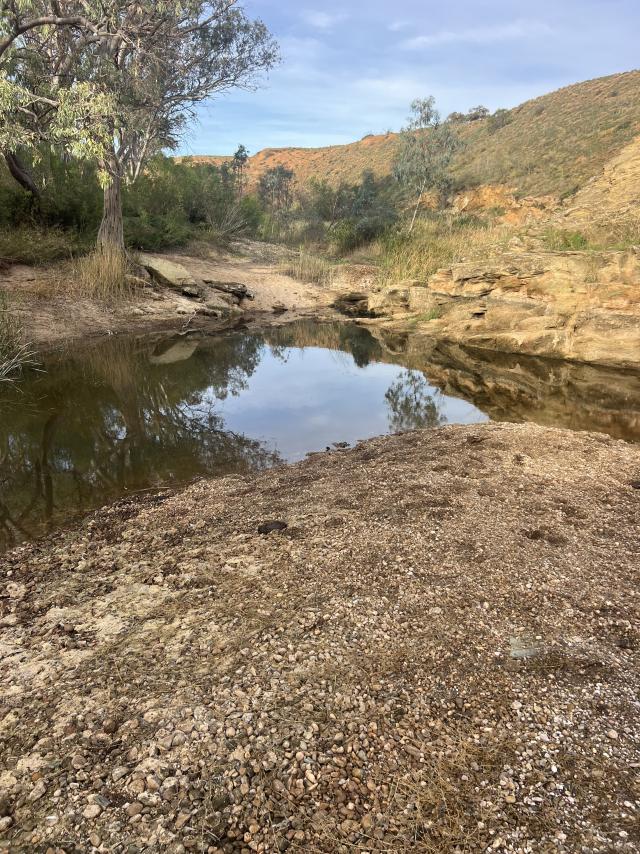
The Rocks Reserve springs have started to flow, so in a couple of weeks the area will look completely different.
The rising of the springs is an annual event which generally heralds the start to the season. The Rocks will fill along the length of the reserve before disappearing underground a short distance downstream.
The spring that feeds the Rocks Reserve is a couple of kilometres upstream and was rising quite quickly, according to Balaklava’s resident hydrologist Peter Mac. A quick trip to the Rocks confirmed this, with Deadman’s Hole now filling.
The Rocks Reserve is one of Wakefield Regional Council’s hidden gems. Just 12 km southeast of Balaklava, it is a great place to visit with the family.
Unfortunately, camping is still forbidden, but how good would this be as a free camping spot!
Not only is it a very picturesque location, free camping would also mean less vandalism as campers are quite precious about looking after their patch, thereby providing an extra layer of security.