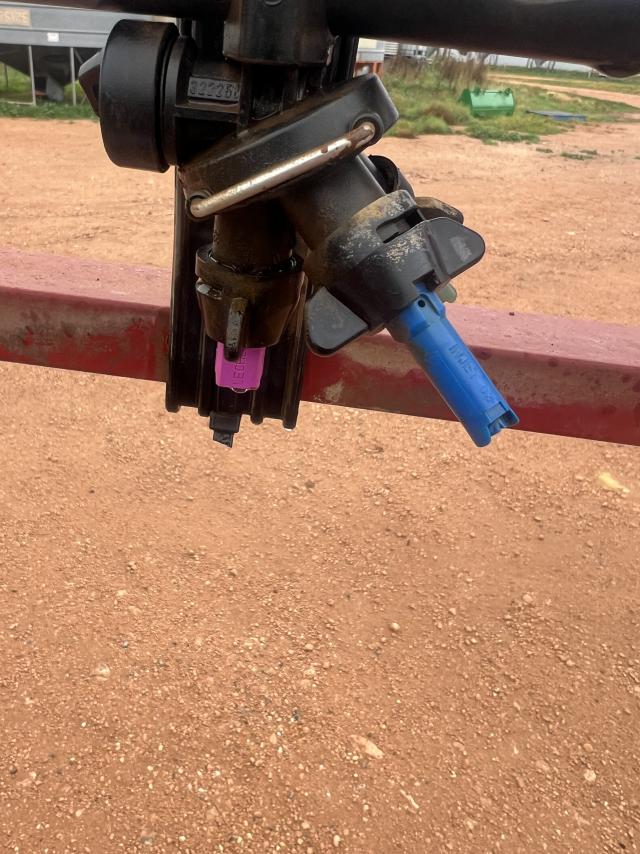
One of the most neglected bits of kit on the farm are the spray nozzles on your boom spray. It is a good idea to do a jug test annually to test each nozzle is putting out the correct amount of liquid.
If you notice a difference in spray pattern, chances are your nozzles are starting to wear. Chemicals are expensive so you may as well get the application right.
Some farmers will use two types of nozzles, depending on application. One type of nozzle is used for applying early selective application grass herbicides.
Another, a Very Coarse (VC) or Ultra Course (UC) nozzle is required (by legislation) to be used for late application of more volatile chemicals (those prone to drifting and more susceptible to inversion), like 2,4-D Ester to prevent impacting off-target crops and paddocks.
Let’s face it, why would you spend all that money on herbicides if it is going to end up somewhere other than your paddock!
Generally, jets will last about two years if you are using the same nozzles for everything. The use of fungicides will accelerate the deterioration of your jets. Some brands say 100 hours, but it comes down to the spray pattern and flow rates.
Inspect your jets for damage, and if you decide to go to the expense of jet replacement there is a wide range available, in a wide range of prices for these small pieces of clever plastic.
A good place to start when considering nozzle selection is the Spray Shop at Dry Creek. Their knowledge of nozzles is excellent and pricing is very competitive.
They also have a good range of associated spray equipment.
Rocks Update
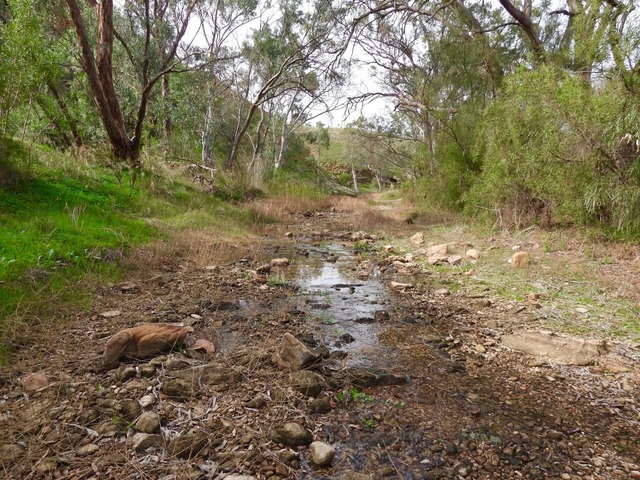
It is nice to see a considerable increase in the amount of water flowing through the Rocks Reserve compared to just a week ago. Paul Taylor sent me a photo update.
Canadian Tale
A Scotsman goes to Canada for a holiday. One day, he walks into a bar and notices an animal head mounted on the wall.
“What’s that?” he asks the bartender. “A moose,” replies the bartender.
The Scotsman then blurted, “In the name o’ the wee man then, how big are the rats over here?”
They See Me Rollin’
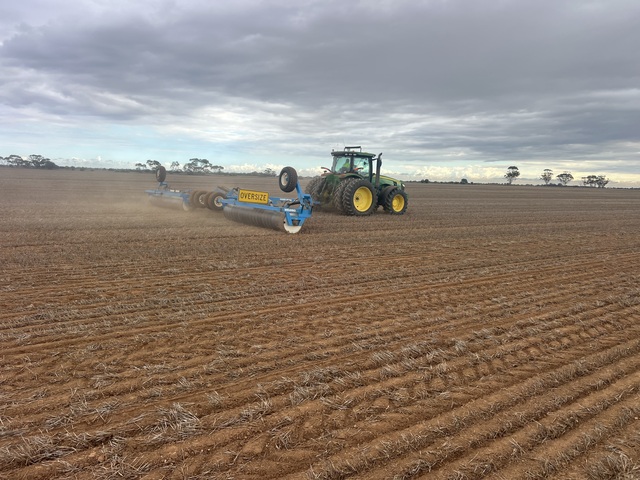
Why do farmers roll some of their crops? Good question.
There are a number of reasons for this ‘flat-out’ activity, but these are the two main ones:
1. Haymaking: Rolling ensures paddocks that are to be cut for hay have a smooth surface for easier mowing, raking and baling. Rocks are pressed into the soil by the roller, so they don’t end up damaging your mower or baler. Rolled paddocks also mean far less contamination of your hay with sticks, rocks and dirt.
2. Easier harvesting: Legume crops, such as lentils, peas and beans, require the harvester to operate very low to the ground. Rolling helps prevent rocks and dirt from damaging your header and also minimises contamination of your sample.