
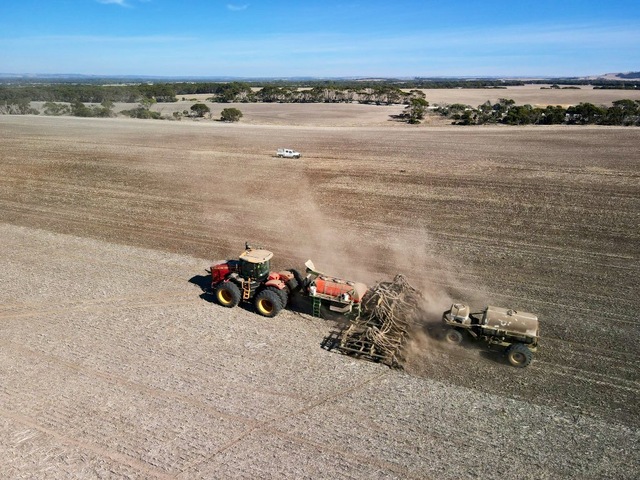
Grain Producers SA (GPSA) released results from their seeding survey, with high input costs still a prevalent challenge amongst growers.
The GPSA Seeding and Season Outlook 2026 survey received 384 responses from grain producers across South Australia and found many grain producers were proceeding with planned seeding programs, but with concerns around profitability.
Sentiment remains fragile across the grain producer community, with survey respondents rating their confidence regarding the season ahead at an average of five out of 10 in this year’s survey, up from an average of four out of 10 last year.
The number of grain producers planting wheat dropped from 92 per cent in 2025 to 87 per cent in 2026, while barley being sowed dipped slightly year on year from 87 per cent to 84 per cent in 2026.
Lentils continued to increase in plantings with 56 per cent of grain producers putting the pulse in the ground in 2026, compared to 49 per cent in 2025.
The survey shows higher input costs are not just hurting confidence, they’re changing production decisions, with 73 per cent of surveyed grain producers already reducing fertiliser use compared to 50 per
cent during the drought in 2025, a move that could have direct implications for yield and profitability if seasonal conditions improve.
GPSA chief executive officer Brad Perry said the survey painted a picture of an industry continuing to push forward despite growing financial and seasonal challenges.
“This survey shows that South Australian grain producers are getting on with the job of seeding despite so many things happening around them that they have no ability to influence,” he said.
93 per cent of survey respondents said input costs or availability, coupled with low grain prices, have already impacted their confidence in achieving a profitable crop.
“Despite excellent rainfall in many South Australian cropping regions so far this year, the survey showed the average confidence rating for the season ahead was neutral, highlighting the severe impact of fertiliser and fuel prices on the bottom line,” Mr Perry said.
The financial hit facing grain producers this season is significant, with 95 per cent of survey respondents expecting higher fuel costs and 87 per cent expecting higher fertiliser costs than budgeted.
One in three growers expect fuel bills to blow out by more than $50,000 this seeding, while 46 per cent reported input costs have significantly damaged confidence in turning a profit.
Nearly half of the grain producers responding to the survey describe their financial position as manageable but tight, 28 per cent say they are under significant pressure, and 60 per cent are already cutting fertiliser use to try and contain soaring costs.
“Many grain producers told us they had either reduced crop area, adjusted rotations, reduced nitrogen applications or switched into lower-input crops to try and manage costs and risk this season,” Mr Perry said.
“Others indicated they had been fortunate enough to secure fuel or fertiliser early before the major spikes, but there remains significant anxiety about ongoing pricing and availability through the season and into harvest.”
The survey also found strong concern about profitability in 2026, with many growers indicating current grain prices were not keeping pace with rising input costs. A significant proportion of respondents
indicated current input costs and availability had negatively impacted their confidence in achieving a profitable crop.
“Growers are telling us margins are being squeezed from every direction and they have no ability to pass those costs on,” Mr Perry said.
“Fuel, fertiliser, finance and freight costs have all increased sharply, while grain prices have softened considerably compared to previous years.”