From the deadly night of 1953 to the Delta Works programme, the Netherlands has turned reclaimed polders into some of the most productive farmland on Earth.
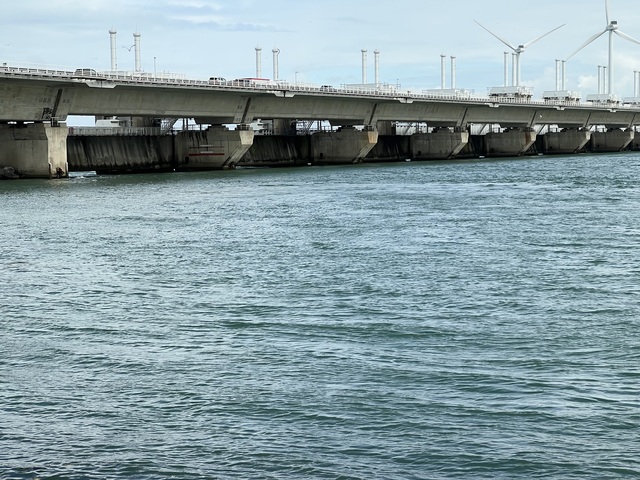
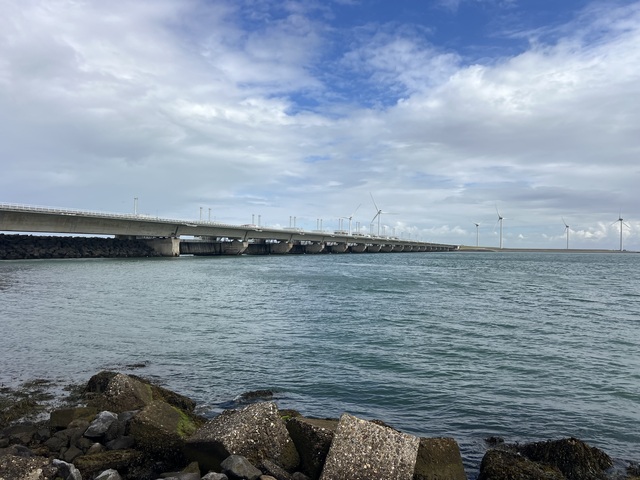
Last week, I ended my vacation in Holland with a tour of the Delta Works – the vast system of dykes, sluices, and storm surge barriers that keeps the sea at bay.
Seeing it up close was impressive enough, but what struck me most was how deeply these structures are tied to the country’s farmland and way of life. Since returning, I have looked into how it all came about, and the story is remarkable.
It begins with geography. Much of the Netherlands lies below sea level – in some places, as much as seven metres. Without defences, the shallow North Sea, with its short, steep waves, could flood large parts of the country.
That vulnerability was exposed in February 1953, when a severe storm coincided with a high tide. Dykes broke in more than 90 places, flooding towns and farmland. Thousands of homes were lost, livestock drowned, and more than 1800 people died.
In response, the Dutch began work on the Delta Works in 1954 – a huge programme to strengthen defences. Engineers closed off weak inlets, reinforced dykes, and redesigned the coastline to reduce exposure to storm surges.
The most ambitious part of the system is the Oosterschelde storm surge barrier. Completed in the 1980s, it is nearly nine kilometres long and fitted with massive gates that can close within 75 minutes.
They do not shut often, but when they do, the estuary is sealed off in one move to prevent damaging pressure differences. This series of gates are engineering landmarks designed to last for generations.
Defending the land is only half the story. The Netherlands has also made that land productive.
About 17 per cent of the country’s total area was reclaimed from sea or lakes. Known as polders, these areas are enclosed by dykes and kept dry by pumping and drainage. Stop the pumps, and the water slowly returns.
About 54 per cent of the Netherlands is used for agriculture. Fields produce maize, potatoes, sugar beet, onions, wheat, and barley.
Dairy farms supply milk, cheese, and butter, while orchards provide apples, pears, and cherries. Horticultural plots add more variety, and every bit of land is used efficiently.
Then there are the greenhouses – vast glasshouses visible from the air, where controlled conditions push yields far beyond open-field levels.
From the wooden windmills that once pumped water to the colossal hydraulically controlled gates of the Delta Works, the Dutch approach to land and water has always been practical and inventive.
The systems in place today protect not only towns and cities but also some of the most intensively and efficiently farmed land in the world.