
One of the more interesting aspects of our trip, from a farming perspective, was a visit to the Murray Lake Hutterite Brethren Colony, just out of Medicine Hat in southeast Alberta, Canada.
It was an impressive, well-run farming system. Murray Lake Hutterite Colony consists of about 120 people who co-farm about
21,000 acres, including 7000 acres irrigated with 50 to 60 centre pivots.
Their annual rainfall is about 16 inches. Their centre pivot allocation permits around 18 inches to be drawn from local canals.
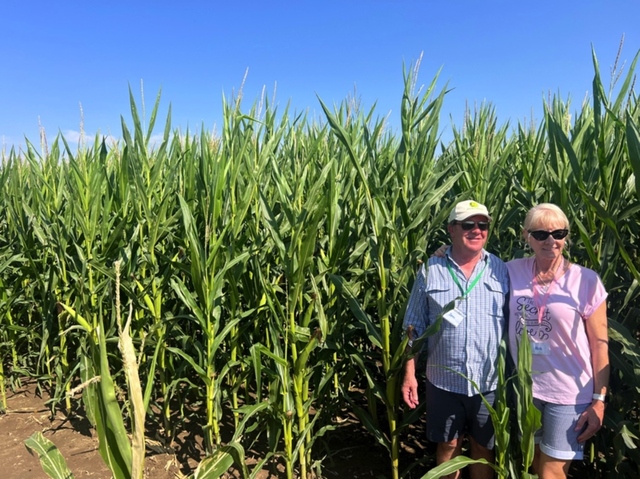
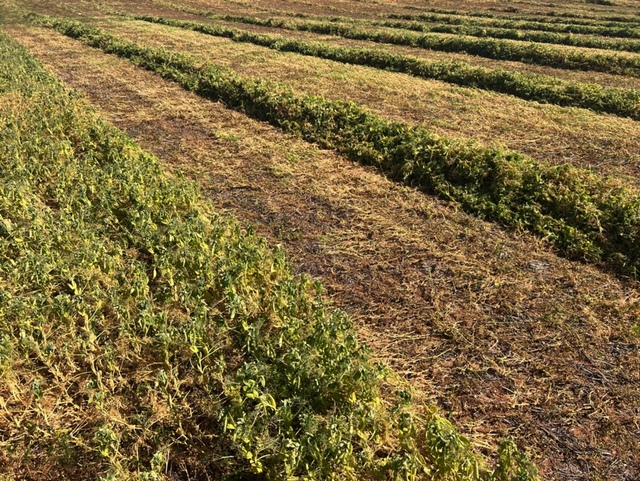
The colony also run a 10,000 head cattle feedlot. Their main crops are beans, canola, barley, timothy grass, corn and durum. The corn is grown for silage and produces around 21 tonne/acre.
About 10,000 tonne is produced for their feedlot. They bale all their straw for cattle feedlot bedding and also subcontract 69 pens of their feedlot for other cattle growers.
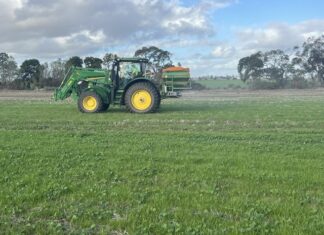
A neighbouring colony has an 80-cow dairy and has recently installed robot milkers. The Murray Lake colony uses mostly John Deere equipment.
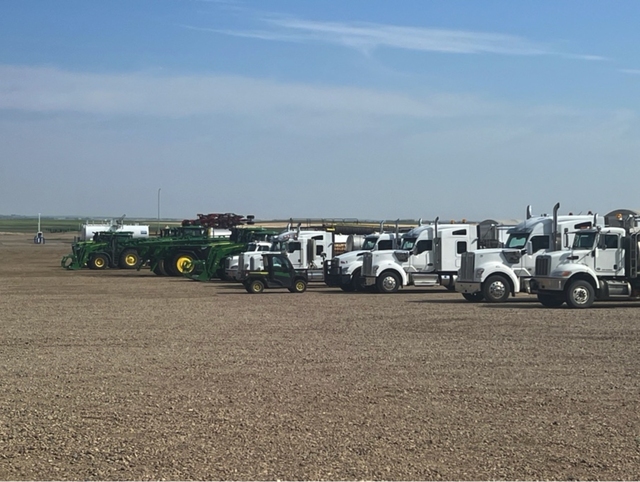
They run five X9 John Deere headers, which they roll over annually (they are not even around long enough for an oil change!). Their semi-trailers are rolled over once they reach 60,000km.
They have 9-row crop setups for seeding, and six 4WD trucks/utes. The centre pivots have a lifespan of 15 to 20 years.
Their 40-foot-high workshop includes state-of-the-art engineering facilities, paint shop and carpentry shop (they build a lot of their own furniture).
The workshop also features underfloor heating – winters are brutal in Medicine Hat with average January temperatures of -10 degree celsius.
Hutterite colonies are a communal branch of Anabaptists. They run multi-family farms with all goods and produce commonly owned.
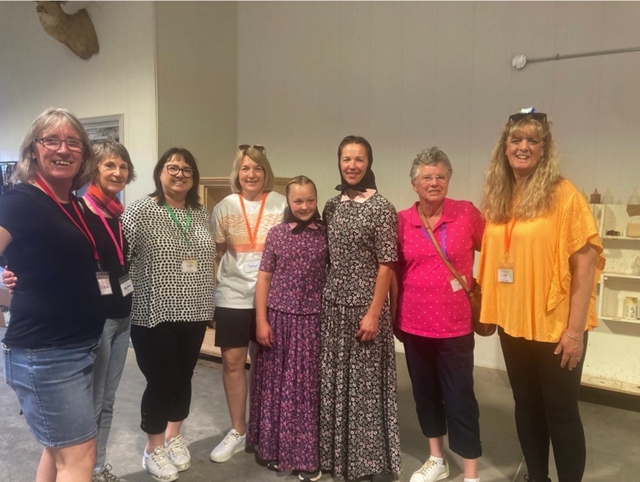
Meals are produced together in large industrial-sized kitchens and eaten in a communal hall. Hutterite colonies are mostly patriarchal with women participating in roles such as cooking, medical decisions, selection and purchase of fabric for clothing, and maintaining the extensive vegetable garden.
The children are taught German until they are six years old, then English. The schoolhouse is located on-site and is run by
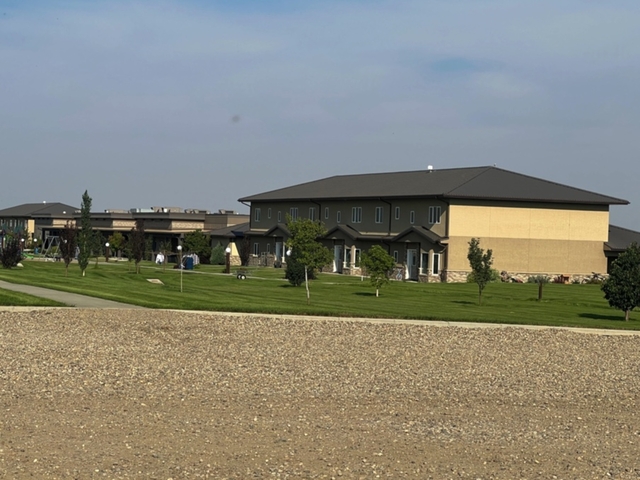
a contracted teacher. All homes are identical and located side-by-side.
Only married men within the community are permitted to vote on matters, with decisions ultimately managed by a board of around seven senior males.
Women and children hold no formal voting power, but often influence decision-making through the informal processes of the colony’s social framework.
There are also ‘boss’ positions for each aspect of the colony, e.g. Dairy Boss, Beef Boss, Cropping Boss, Engineering Boss. These people put forward recommendations to the council for final decisions.
Some members are encouraged to seek a trade in the outside world but are expected to return on, or near, completion. Once a colony reaches a size of around 170 members, they break in half.
New land is bought and a new colony established. This can be a rather stressful process, both financially and socially, as much of the split is done arbitrarily by placing names in a hat.
The split also often produces a skill-set drain, which may take years for both colonies to recover. The Canadian Hutterites are principally located in Alberta, Manitoba and Saskatchewan and in 2020 they numbered around 53,000 people.
You may leave a colony, but if you do you leave with nothing. You can return, but you would receive some sort of punishment.
Hutterites must marry another Hutterite. Most colonies are like a large extended family where everyone is either a relative or feels like one, so one usually goes to another colony to find a spouse.
They have moved with the times, however, as one of the Hutterite men showed me an app on his smartphone which listed all Hutterites by age, family name and relationship – sort of a Tinder for Hutterites, I guess.
And in case you are wondering, alcohol is allowed in many of the Hutterite colonies.
Canadian farmers in general find Hutterites to be excellent neighbours, and use their services (and well-appointed workshops) to repair equipment or manufacture made-to-order machinery.
There is some resistance to selling land to Hutterites, but they are usually able to pay above market rates, which is difficult to resist, making it a challenge for conventional farmers to increase their land holding.
Next Week: Banff.
Cold Reception
Whilst local growers are enduring a severe drought, last week many areas suffered from widespread severe frost events.
Farmers are currently checking the severity of the damage, and trying to figure out whether there is sufficient bulk to cut for hay and salvage a return.
At the very least, dropping crops down now should inspire a rainfall event!